NIGHT WITH OPAH How to Survive Against Opah
Break line of sight, time wardrobes, manage drawer aggro, and keep the team's hearts alive.
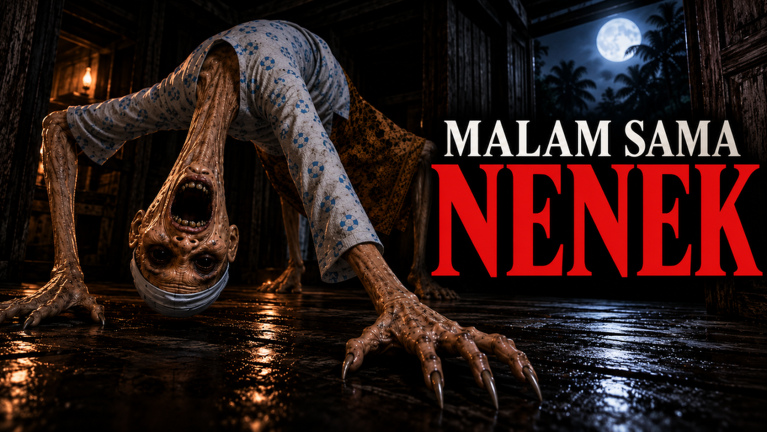
Surviving Opah is the skill that makes every other NIGHT WITH OPAH guide work. Keys, codes, padlocks, and even Secret Ending props mean nothing if your lobby burns both hearts on the first patrol. This page focuses on evasion: breaking line of sight, furniture loops, wardrobe timing, when not to sprint, drawer aggro, revive economy, and team callouts. Pair it with How to Escape for objectives and Secret Ending once you can stay alive long enough to explore.
The two-heart contract
You get two hearts. A catch costs one. There is no infinite clutch button. Play each contact as if the next mistake ends your run — because the second mistake often does. Support classes can revive allies, but revives are a budget, not a lifestyle. Every needless catch spends team resources that should have bought a key or a code confirm.
Break line of sight on purpose
Opah becomes far less lethal when she cannot see you. Practice intentional LOS breaks:
- Cut around large furniture instead of running in a straight hallway line she already owns.
- Change elevation or room corners so her pathing commits the wrong way.
- After she loses you, stop making noise with greedy drawer spam until you reset.
A LOS break that ends in a wardrobe is better than a LOS break that ends in another open sprint past her face.
Furniture loops
Furniture loops are short circuits around tables, cabinets, and room geometry that force Opah to take the long path while you take the short one. Use them to:
- Create space for a wardrobe enter
- Escort a keyed teammate toward the exit hall
- Buy seconds for a revive animation
Do not invent marathon loops across the whole house. Tight local loops near a known hide spot win more hearts than cinematic chases. If a room has no loop and no wardrobe, you should not be opening its last drawer while she is adjacent.
Wardrobe timing
Wardrobes are your panic room, not your AFK spot.
Enter when: Opah is committed toward you, LOS is about to fail, or you just grabbed a key and need a hard reset.
Exit when: Footsteps fade, a teammate calls her room, or you need to finish a nearby drawer cluster that is actually clear.
Avoid: Diving a wardrobe she is already staring at, or chain-hopping wardrobes in her vision so she camps the door.
After finding a key, community advice is consistent: run, then hide. The pickup is the spike; the wardrobe is the recovery.
When not to sprint
Sprint is for committing to a break or a hide, not for living permanently at max speed.
Do not sprint when:
- She already has clean vision down a long corridor
- You are opening drawers and only need quiet repositioning
- Teammates are mid-revive and you would drag her onto them
- You are approaching the keypad and need controlled movement
Do sprint when a furniture loop is ready, a wardrobe door is seconds away, or you must ferry a key away from a tunnel. Panic stamina burns without a destination are how second hearts disappear.
Drawer aggro
Opening drawers can aggro Opah. Search like a burglar, not like a speedrunner opening every interactable in a museum:
- Peek the room and mark the exit.
- Open a small burst of drawers.
- Listen and check corners.
- Either continue or leave for a loop or wardrobe.
If she aggroes mid-search, abandon the furniture. The drawer will still be there after you reset; your hearts might not. Coordinate so two players are not detonating drawer noise in the same dead-end.
Safe resets and quieter zones
Guides and videos often mention basement or base-adjacent spaces as calmer reset zones between sweeps. Use them to:
- Recount key colours still missing
- Confirm door code digits
- Swap who is on Opah watch
- Spend a revive without hallway traffic
Do not treat any zone as permanently safe forever — pathing and updates can change — but building a reset habit beats endless mid-map panic.
Revive economy
When a support kit such as Doctor Besar (or other revive-capable tools) is in play, spend revives on information value:
- Revive the player who already cleared half the wing
- Revive the code holder or key courier
- Avoid burning revives on silent players who repeatedly open drawers in her face
Call “down” with a room name. Silent deaths waste the mythic support fantasy. Class tradeoffs and spin targets are covered in Classes Tier List and How to Get Classes.
Team callouts that prevent wipes
Useful callouts are short:
- “Opah kitchen”
- “Blue key hallway”
- “Code is ####”
- “Hiding wardrobe near stairs”
- “Need revive, bedroom clear”
Useless callouts are novels typed while she is mid-catch. Pick voice or quick chat macros. The Escape route in How to Escape depends on colour and code accuracy; survival depends on Opah location accuracy.
Scripts versus learning legit
The wiki maintains a Scripts hub because players look for them. That does not mean you should skip movement fundamentals. Learning LOS breaks, wardrobe timing, and drawer discipline makes every lobby — scripted or not — less stressful, and it keeps your account choices cleaner. Get a fair Escape with legit habits first. If you later read script pages, do it with eyes open about risks and without replacing the skills on this page.
Class tools that help survival
- Susanti — mobility for loops and repositioning
- Raju — stun windows for hides or revives
- Vizo — distraction when she tunnels a teammate
- Kak Ros — faster key finds means less time exposed searching
- Doctor Besar — revive safety net for long attempts
Deep kit writeups live under Players and rankings under Classes Tier List. Survival is still mostly positioning; classes only widen your mistake margin.
Survival drills for your next lobby
- Survive the first two minutes without opening more than a handful of drawers.
- Practice one clean furniture loop into a wardrobe while she patrols.
- Grab any one key, then force yourself to hide before chatting.
- Make three Opah location callouts that teammates acknowledge.
- Finish with enough hearts to attempt the padlock sequence in How to Escape.
When those drills feel automatic, Secret Ending exploration and event content stop being coin flips. Opah is scary because the house rewards greed. Survive by rewarding patience, short loops, and honest callouts — then spend the hearts you saved on the ending you actually want.
Putting survival next to your goals
Every badge route in NIGHT WITH OPAH fails the same way: someone gets tunnelled, someone else panics, drawers keep opening, and the revive budget hits zero before purple is found. Flip that script. Make survival the default tempo and treat objectives as inserts into a calm loop. Escape becomes a scheduled checkout. Secret Ending becomes an optional inspection layer you attempt only while hearts and callouts are healthy. Event boss nights become focus checks instead of wipe factories. Keep this page beside How to Escape and Secret Ending, and remember that the Scripts hub is optional reading — your wardrobe timing is mandatory.
Frequently Asked Questions
Quick answers for escaping Opah and redeeming codes.
How do I break line of sight on Opah?
Cut around furniture and corners so she loses vision, then reset into a wardrobe or quiet room. Do not keep sprinting in a straight line she already covers.
When should I use a wardrobe?
Hide when Opah is committed toward you or right after a key pickup. Exit when footsteps fade or a teammate confirms her new room. Avoid wardrobes she is already watching.
Can opening drawers aggro Opah?
Yes. Open drawers in short bursts with an exit plan. If she aggroes, abandon the search, break LOS, and hide before returning.
Should I always sprint?
No. Sprint to reach a loop, wardrobe, or key ferry destination. Constant sprinting in her vision usually causes catches and ruins teammate revives.
Do I need scripts to survive?
No. Learn furniture loops, wardrobe timing, and callouts first. Scripts are documented separately, but legit movement is what makes escapes consistent.